College Font Embroidery Design: A Designer’s Review for Small Business Branding
First Impressions: Classic, Clean, and Commercially Versatile
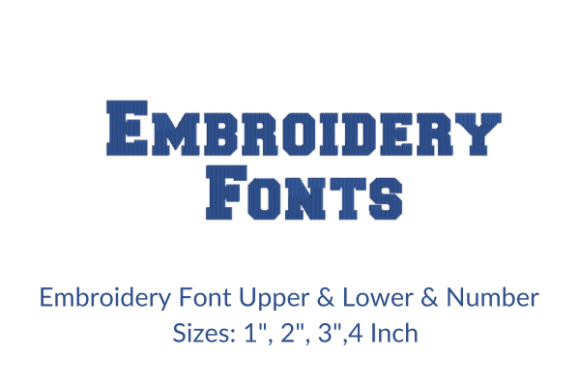
As an embroidery designer working with small businesses and handmade brands, the College Font Embroidery Design immediately stands out as a reliable, professional option for custom branding. Based on the title and description, this font feels timeless—somewhere between classic and modern, with a clean structure that suggests it will work well across a variety of merchandise types. It’s the kind of font you’d expect to see on university gear, but its adaptability makes it a strong contender for boutique merchandise, café aprons, or local bakery tote bags.
Business Use Breakdown: From Caps to Patches
Let’s get into the real-world applications. The College Font Embroidery Design shines when used for small business merch. Here’s how it holds up across different use cases:
- Embroidered Patches: This font works well for patches, especially when used to highlight a business name, motto, or short tagline. Its legibility at a small scale makes it ideal for sew-on or iron-on patches used as brand accents.
- Staff Uniforms & Aprons: For businesses like cafés, florists, or pet brands, uniform personalization is key. College Font offers a clean, professional look that enhances staff apparel without feeling too casual or too stiff.
- Cap Embroidery: On curved cap fronts, this font maintains its structure and readability, especially when stitched in a single thread color. It’s bold enough to stand out but not so heavy it overwhelms the space.
- Tote Bag Design: Whether centered on a cotton tote or subtly placed near the handle, this font adds a refined touch. It pairs well with minimalist branding strategies.
- Product Packaging Accents: For handmade brands, a small embroidered label stitched onto packaging or product tags can elevate the unboxing experience. College Font feels premium enough to support that goal.
Where to Use with Caution
While the College Font Embroidery Design is versatile, there are a few scenarios where caution is advised:
- Very Small Patch Sizes: If you’re embroidering a patch smaller than 2 inches wide, test the font at that scale. Some letters may blend or lose clarity.
- Curved Surfaces: While it works well on caps, avoid using it on highly curved or uneven surfaces without first testing the stitch alignment and density.
- Textured or Dark Fabrics: The font’s structure may get lost on thick, nubby materials or dark uniforms unless you choose a contrasting thread color and use proper stabilizer backing.
- Frequent Washing: If the design has high stitch density, ensure the fabric and stabilizer can handle repeated laundering without puckering or fraying.
Brand Identity and Customer Perception
From a branding perspective, the College Font Embroidery Design supports a professional, trustworthy image. It’s not overly playful or decorative, so it’s best suited for businesses that want to feel established and approachable rather than whimsical or experimental.
When used consistently across uniforms, packaging, and promotional items, this font contributes to strong visual consistency. It’s especially effective for:
- Customer Recognition: A clean, recognizable font builds brand recall. Customers will start associating the font style with your business.
- Handmade Presentation: Even though it’s a machine embroidery design, the font has a subtle handmade charm that works well for Etsy sellers and craft-based brands.
- Buyer Engagement: Thoughtful typography choices—like this font—can make your merchandise feel more intentional and high-quality, encouraging repeat purchases.
Practical Notes for Embroidery Designers
Before launching into production with the College Font Embroidery Design, here are some practical steps I recommend:
- Test in Black and White First: Start with a monochrome version to assess clarity and spacing before committing to color.
- Check Small Patch Sizes: Resize the font to the smallest intended use and stitch a sample to ensure legibility.
- Review Thread Color Contrast: Especially on dark or textured fabrics, choose thread colors that stand out clearly without bleeding into the background.
- Inspect Letter Spacing: Some fonts compress or stretch oddly when resized. Make sure the spacing remains even across all characters.
- Confirm Hoop Size Compatibility: If you’re using a multi-needle machine or working with tight hoop sizes, verify that the font fits within your available embroidery field.
- Test on Real Fabric: Don’t rely solely on digital mockups. Always test the design on the actual fabric type and weight you’ll be using for the final product.
- Use the Right Stabilizer: For best results, use a tear-away or cut-away stabilizer that matches the fabric’s density and texture.
- Create a Printable Mockup: Show clients how the font will look on their merchandise before stitching begins. This helps avoid costly revisions later.
- Compare with Other Design Assets: If the font is part of a larger branding package, make sure it complements other design elements like logos or graphics.
- Confirm Commercial Licensing: Since this is a digital embroidery file intended for small business use, always verify that the license allows for commercial embroidery and resale.
Final Thoughts: A Solid Choice for Brand-Centric Embroidery
The College Font Embroidery Design is a smart addition to any small business’s branding toolkit. Whether you’re creating embroidered patches for a local bakery or personalizing aprons for a boutique café, this font delivers a balance of professionalism and personality.
It’s especially useful for businesses that want to maintain a clean, consistent visual identity across multiple merchandise types. With proper testing and thoughtful application, the College Font Embroidery Design can elevate your client’s brand presence and help their handmade or local business stand out in a crowded market.